Posture Corrector for Postpartum Shoulder Pain: Why the Top Search Results Are the Wrong Product
Most "postpartum posture corrector" listings are waist trainers. The real problem is feeding-position neck and shoulder pain, which needs a different product.
By Nadia Feld, writer, evidence and movement
Published Sep 5, 2026 · 12 min read
- Updated September 5, 2026
- 12 min read

In this guide
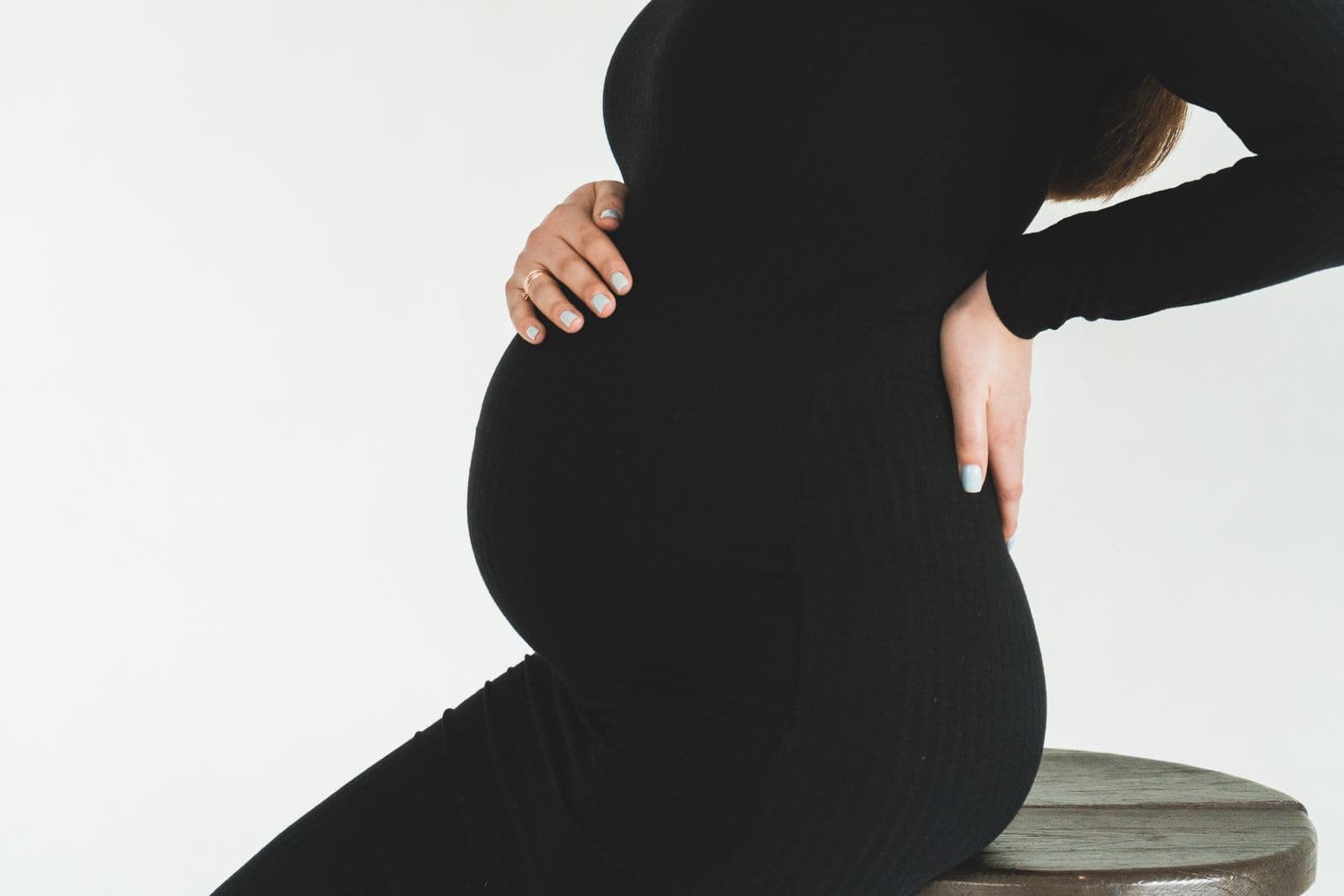
Search "postpartum posture corrector" and most of what comes back is a waist trainer. Corset panels, belly bands, "tummy control" shapewear, all filed under posture because the copy mentions "supports your back while you recover." That is a real product category, and it treats a different problem than the one that actually shows up in the research on new mothers: pain in the neck, upper back and shoulders, driven by hours a day spent in a flexed feeding position, not by anything happening at the waist.
Those two problems do not share a solution. An abdominal binder compresses the core, and postpartum abdominal compression is a decision for a clinician, because of diastasis recti, a healing C-section incision, and pelvic floor pressure that a marketing page will never mention. Upper-back and shoulder support is a different, lower-risk category entirely, and it is the one that actually addresses what the studies on postpartum pain are measuring.
What the research on postpartum pain actually found
A 2024 survey of 395 breastfeeding women, published in BMC Musculoskeletal Disorders, found that 84 percent reported back pain at least once a month. Broken down by region: 66 percent reported weekly lumbosacral pain, 48 percent reported weekly cervical (neck) pain, and 36 percent reported weekly thoracic (mid-back) pain. The same study found something specific enough to act on: neck pain was significantly less intense in mothers who fed lying down on a bed or couch than in mothers who fed sitting up, and the difference was strongest against a fully supine position (p < 0.01 for lying flat, p < 0.05 for a couch or bed).
That points at posture during feeding as a real, mechanical driver of neck pain specifically. A separate 2023 study in the European Spine Journal, surveying 432 women 6 to 8 weeks postpartum, is the honest counterweight: across postpartum musculoskeletal pain broadly, the correlation with posture was limited, while reducing physical strain during infant care was the factor that most reliably brought pain down. Read together, the two studies are not in conflict, they are measuring different things. Posture matters most for a specific, localized symptom, neck and upper-back pain from a sustained feeding position. It matters less as a single explanation for the whole spread of postpartum aches, which have more to do with total physical load than with any one position.
That distinction is the difference between a useful purchase and a wasted one. If what you have is a stiff neck and rounded shoulders that get worse by evening feeds, a device that addresses feeding posture is aimed at the right target. If what you have is generalized low-back pain, a posture corrector for the upper body is not going to reach it.
The mechanism is the same one desk workers get, plus a forward load
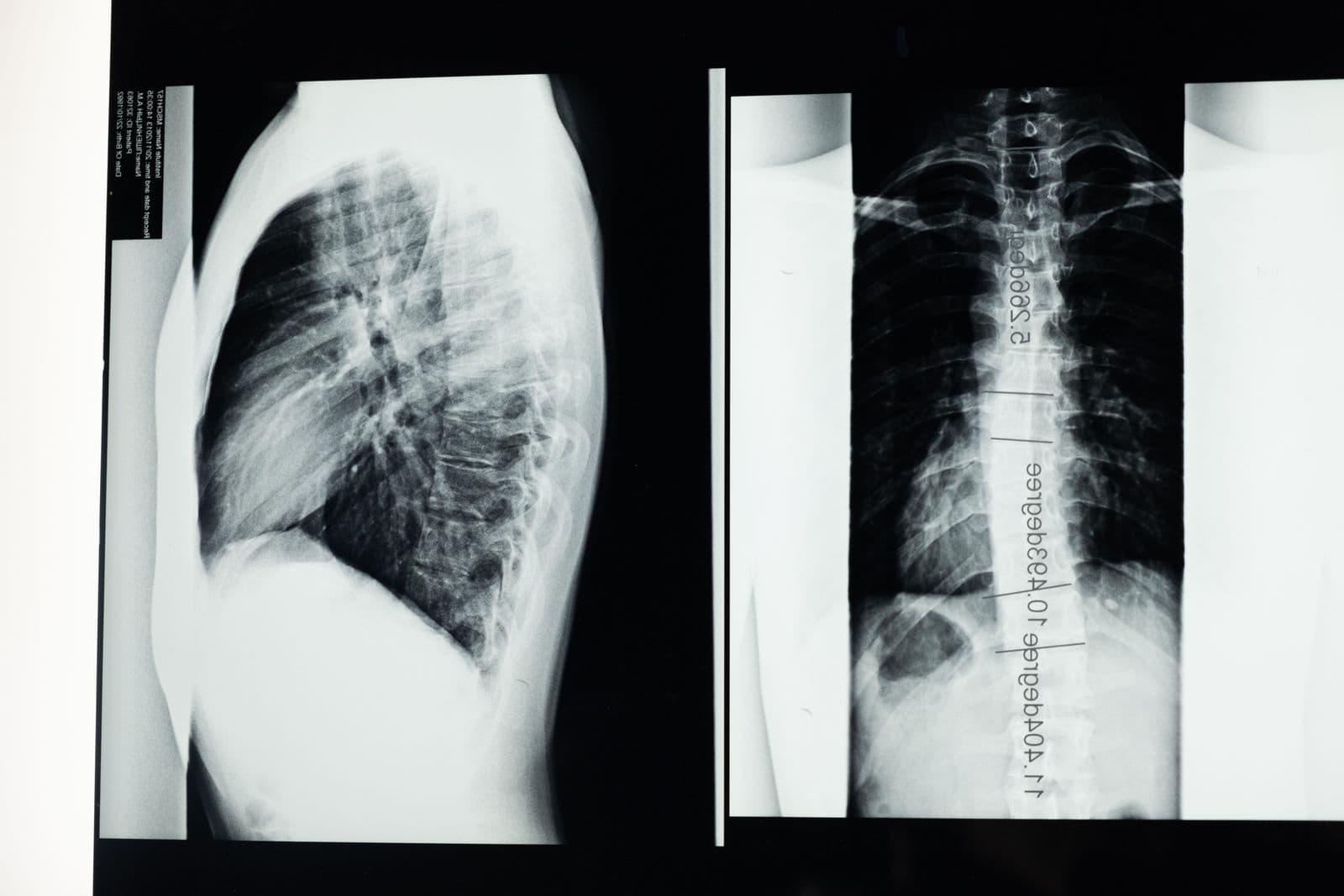
The posture that produces this is close to what shows up in upper crossed syndrome: a forward head, rounded shoulders, and a chest that tightens while the muscles between the shoulder blades go weak and overstretched. Feeding position adds two things a desk chair does not. First, the head tilts down and forward for a sustained look at the baby's face, for however long a feed runs, several times a day. Second, there is a real weight held forward at arm's length, which pulls the shoulders further into that rounded position than an empty desk ever would.
None of that is solved by a brace around the ribs. It is a scapular and thoracic problem, which is exactly what scapular retraction exercises are built to address, and exactly what an upper-back posture device is built to cue.
| Category | What it targets | Postpartum consideration |
|---|---|---|
| Abdominal binder / waist trainer / "tummy control" shapewear | Core compression, waist shaping | Ask a clinician first: diastasis recti, C-section incision, pelvic floor pressure all apply |
| Upper-back / clavicle posture brace | Shoulders and thoracic spine, the region the feeding-posture studies measured | Lower risk, but still avoid anything digging into a fresh C-section incision or an engorged chest |
| Posture bra (wire-free, back-panel support) | Gentle scapular cue worn as clothing | Useful where nursing access and breast-tissue changes make a strap-based brace uncomfortable |
What to look for, specific to this stage
A posture corrector bought during pregnancy or in the early postpartum weeks is being bought for a torso that is still changing. Milk let-down and engorgement change chest circumference within the same day, let alone the same month, which makes a fixed-width strap a bad bet. Three things matter more here than in a general posture-corrector purchase:
Independently adjustable straps with real range, not a single elastic loop sized to one measurement taken once. Breathable material, because postpartum hormonal shifts bring night sweats and heat intolerance that a thick neoprene brace will make worse. Quick on and off, because a newborn feeds every two to three hours and a device that takes two minutes to fasten is a device that stops getting worn by week two.
Three that fit the brief
What follows is drawn from published product specifications and the current listing. Every price and image below is pulled from the live Amazon page, not a spec sheet.

$26.97
Price checked Sep 5, 2026
ComfyBrace Posture Corrector
A breathable adjustable brace built for the clavicle and upper back rather than the waist, with independent strap adjustment rather than a single fixed loop. That range matters more here than in most posture-corrector purchases, because chest circumference postpartum is not a fixed number.
We may earn a commission on this link. It never changes the ranking.
- Type
- Adjustable clavicle and shoulder brace
- Material
- Breathable, ventilated back panel
- Fit
- Independently adjustable straps, broad range
- Targets
- Clavicle, upper back, neck hump
- Best for
- Feeding sessions and short daily wear
What works
- Independently adjustable shoulder straps rather than a single fixed loop
- Ventilated material suited to postpartum heat sensitivity
- Sits at the clavicle and upper back, away from a C-section incision or an abdominal binder's territory
- Fast to fasten between feeds
What to know
- No feedback mechanism, it is a passive pull rather than a monitor
- Not marketed specifically to postpartum women, so the fit range is generic rather than nursing-specific
- Still worth a clinician's sign-off if worn over or near a healing incision
- Elastic will loosen faster with the frequent on-off use this stage requires
Wrong for you if you are more than a few weeks from delivery and want a size built specifically for a still-changing chest. This is a generic adjustable range, not a postpartum-specific cut.

$19.99
Price checked Sep 5, 2026
FlexGuard Support Posture Corrector
A budget adjustable upper-back and shoulder brace aimed at slouching and neck hump rather than the waist, which makes it a low-risk way to find out whether the cue is worth wearing before spending more on it.
We may earn a commission on this link. It never changes the ranking.
- Type
- Adjustable upper back and shoulder brace
- Sizing
- Medium/Large
- Targets
- Slouching, neck hump, hunched shoulders
- Feedback
- None, passive brace
- Best for
- A first, low-cost try
What works
- Among the cheapest options in the category, so a wrong guess costs little
- Targets the shoulders and upper back specifically, not the abdomen
- Simple enough to keep in a diaper bag for on-the-go feeds
- Adjustable across a working range
What to know
- Only comes verified in one size band here; check the current listing's size chart before buying
- Budget elastic, expect it to stretch faster with all-day intermittent wear
- Passive, nothing prevents wearing it too long in one sitting
- Not designed with nursing access in mind
Wrong for you if you have already tried a passive brace and know it is not what you want. This is the cheap test, not the upgrade.

$18.99
Price checked Sep 5, 2026
Lift Posture Bra
A wire-free, front-closure support bra rather than a strap brace, which sidesteps the two complaints specific to this stage: underwire pressure on tender or engorged tissue, and straps that fight with a nursing bra already doing a job. It gives a gentler back-support cue as clothing rather than a mechanical pull.
We may earn a commission on this link. It never changes the ranking.
- Type
- Wire-free posture support bra
- Closure
- Front closure
- Coverage
- Full coverage
- Feedback
- Tactile support, not a mechanical pull
- Best for
- Wearing instead of, not over, other torso garments
What works
- Wire-free, which matters for tender or engorged postpartum breast tissue
- Front closure is faster one-handed than a back-clasp bra during a feed
- Doubles as an actual bra rather than an extra layer to fit around one
- No strap conflict with a separate nursing bra
What to know
- Gentle support only, not a substitute for a brace if you want a real mechanical pull
- Not built for nursing access the way a dedicated nursing bra is
- Sizing runs by bra size rather than a posture-corrector chest chart
- Support is worn all day as clothing, so it carries the same overuse caveat as any other passive device
Wrong for you if you specifically want a mechanical pull on the shoulders. This is support worn as underwear, not a corrective device.
Which one
You want an adjustable brace and expect your size to keep changing: the ComfyBrace, for the independent strap adjustment and the ventilated material.
You are not sure a brace does anything and do not want to spend much finding out: the FlexGuard, the cheapest test in the category.
A strap over your chest is the actual complaint, not the concept: the Lift Posture Bra, worn in place of a regular bra rather than over one.
Your pain is in your low back, not your neck or upper back: none of these. Go back to the physical-strain and infant-carrying research instead, because a shoulder brace is aimed at the wrong region entirely.
What none of this fixes
The trial evidence on posture correctors generally applies here too: the cleanest study on braces found reduced muscle activity while worn and no statistically significant change in shoulder angle. A brace is a cue and a short-term unload, not a structural fix. The free half of the fix is changing feeding position itself, since the same 2024 study found neck pain measurably lower in mothers who fed lying down rather than sitting up. Alternating position across the day, not just adding a brace to the sitting position, is what the data actually supports.
Questions people actually ask
Is a regular posture corrector safe to wear postpartum?
An upper-back or clavicle-style brace that sits above the waist and does not compress the abdomen is a lower-risk category than a waist trainer or abdominal binder. It is still worth checking with your OB or midwife before wearing anything with straps or panels near a C-section incision while it is healing.
Why does Amazon show waist trainers when I search for a postpartum posture corrector?
Because "postpartum posture corrector" is used in that market mostly for core-recovery shapewear, not for the upper-back braces that actually target feeding-related neck and shoulder pain. The two are different product categories that happen to share a search term.
Does breastfeeding position actually affect neck pain?
A 2024 survey of 395 breastfeeding women found neck pain was significantly less intense in mothers who fed lying down than in mothers who fed sitting up. That is a specific, measured effect on neck pain, not a claim about postpartum pain in general.
How long should I wear a posture brace while breastfeeding?
The same dosing caution applies here as anywhere else in the category: short sessions, not all day. See how long to wear a posture corrector for what the research on wear time actually supports, since a brace worn constantly can let the muscles you want working switch off.
What if my pain is in my lower back instead of my neck?
Then an upper-back posture corrector is aimed at the wrong region. The 2023 European Spine Journal survey found posture's correlation with broad postpartum musculoskeletal pain was limited, while reducing the physical strain of infant care was the stronger factor, which points toward load management rather than a brace.
Sources
- Ratajczak, M., Górnowicz, R. "The influence of breastfeeding factors on the prevalence of back and neck pain: data from an online survey." BMC Musculoskeletal Disorders, 2024. PMC11360292
- Li, M., Li, D., Bu, J., Zhang, X., Liu, Y., Wang, H., Wu, L., Ke, S., Liu, T. "Examining the factors influencing postpartum musculoskeletal pain: a thorough analysis of risk factors and pain assessment indices." European Spine Journal, 2023. PubMed 38038760
- Kim et al., "Effects of Using a Shoulder/Scapular Brace on the Posture and Muscle Activity of Healthy University Students during Prolonged Typing", Healthcare (Basel), 2023. PMC10252399
As an Amazon Associate we earn from qualifying purchases. We earn a commission on some links, at no extra cost to you. It never changes which products we recommend or how they score. Full disclosure

Who wrote this
Writer, evidence and movement
Nadia Feld writes the evidence side of A Better Posture: what a trial measured, what it did not, and what that leaves you with at 3pm when your upper back aches. She is not a clinician and does not write as one. Her job is to read the paper rather than the press release, quote the actual number, and name the limitation the abstract skipped.
More from NadiaThe standard
How this guide was built
- Manufacturer specification sheets and warranty terms, read in full rather than summarised from a listing.
- Published clinical trials and standards bodies where they exist, cited by name and linked.
- Owner reports at volume, including the one-star reviews, which is where failure modes live.
- Every price checked against the live listing on the date printed beside it.